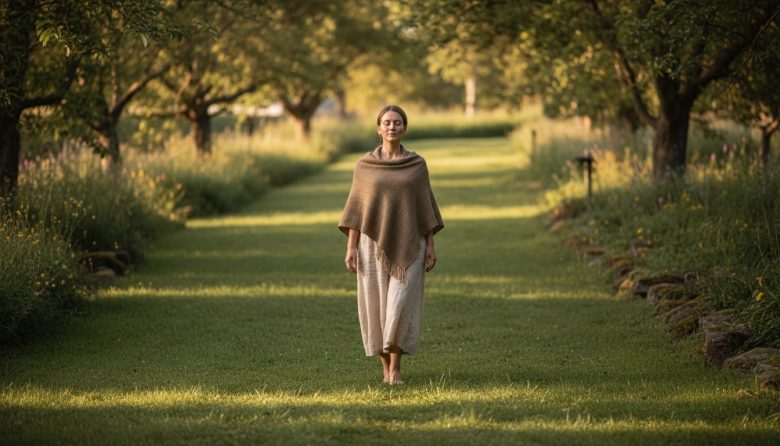
I remember a crisp autumn morning when I stepped out the door, phone in hand, already scrolling emails. But something shifted when I tucked it away and just let my feet lead, noticing the crunch of leaves and the rhythm of my breath. That simple walk became a quiet anchor in my busy week, easing the restlessness without demanding extra time. It wasn't about speed or distance. It was the gentle pull toward presence, right there in my neighborhood.
The Quiet Invitation of a Neighborhood Loop
I started with the simplest loop around my block, nothing fancy. The air felt cooler on my face, and I noticed how the trees swayed just a bit differently each day. Mindful walking isn't about forcing focus; it's letting your senses wake up as you move.
One afternoon, after a string of back-to-back calls, I laced up my sneakers and headed out. The sidewalk cracks caught my eye, each one a small reminder to slow my thoughts. No music, no podcast—just the sound of my steps and distant birds.
This practice unfolded naturally over time. It helped when I paid attention to the feel of the ground underfoot, shifting from hurried strides to a steadier rhythm. Even five minutes brought a sense of calm amid the day's pull.
Neighborhood loops invite this without pressure. They fit into pockets of time we all have. I found it eased the inner chatter, one loop at a time.
Morning Haze to Steady Strides
Waking up tired, with the haze of sleep lingering, I began slipping in a short walk before coffee. The early light filtered through the houses, soft and forgiving. It shifted my morning from rushed to a touch more steady.
Pairing it with a gentle morning stretch routine made the transition smoother. Those few minutes of loosening my shoulders flowed right into steps outside. My breath deepened without effort, matching the quiet street.
One week, I noticed how the cool air cleared the fog in my head. No grand plans, just putting one foot in front of the other. It set a tone that carried through meetings and errands.
For busy mornings, this integration feels kind. It doesn't add time; it reframes what's already there. I felt less restless heading into the day.
Lunch Break Liberation: Circles Around the Block
Midday often brings that slump, eyes heavy from screens. I stepped away from my desk for a quick circle around the block, sandwich in hand at first, then just open to the moment. The change in light and air revived me gently.
Combining it with light exercises for busy women kept things varied. A few arm swings or side steps blended into the walk seamlessly. It broke the monotony without extra effort.
Last Tuesday, amid deadlines, those ten minutes loosened the tension in my neck. I tuned into the warmth of the sun, the pattern of shadows from passing cars. Returning to work, I sat down calmer.
Lunch breaks transform this way. Short loops release the midday weight. It's a small liberation, fitting right into the flow of work.
Evening Echoes: Walking Off the Day's Weight
As dusk settled, I found evening walks unwinding the day's echoes. The sky turned soft shades of pink, and my steps echoed lightly on the pavement. It became a ritual to let go of lingering worries.
Quick breathing for relaxation wove in naturally here. A few deep inhales synced with my pace, easing the restlessness from hours at my desk. The neighborhood lights flickered on, mirroring my settling mind.
One evening, after a full day of family pulls and work, the walk dissolved the tightness in my chest. I noticed the scent of dinner cooking nearby, grounding me home. No rush to cover ground—just presence.
These twilight moments offer closure. They walk off the weight without words. I slept steadier those nights.
What Helped Me, and What Might Help You
What pulled me in was starting small, no expectations. I recalled a friend sharing how her five-minute loops steadied her through a tough week. It resonated because it matched my own tired evenings.
Tuning into one sense at a time helped most—like the breeze on my skin or gravel underfoot. When quick breathing for relaxation joined in, it deepened the calm. Distractions faded as I moved.
A weekend reset amplified it; longer walks after coffee let patterns emerge. I noticed tension spots release, shoulders dropping naturally. Sharing this with a walking buddy added lightness, conversations flowing easy.
For you, it might be the same gentle entry. Listen to what feels steady in your day. These shifts build quietly, without force.
I found apps tempting at first, but leaving the phone behind sharpened everything. A simple cue, like tying my shoes mindfully, signaled the shift. It all compounded into more even days.
Your First Few Steps: A Gentle Path Forward
These steps invite a soft start, building familiarity without overwhelm.
- Choose a familiar route close to home or work. Something you know well reduces mental load. Let it be short, maybe three blocks, looping back easily.
- Put away distractions and tune into your senses. Pocket the phone, soften your gaze. Notice sounds, textures, or colors as they arise.
- Notice your breath and pace without judgment. Feel the rise and fall in your chest. If speed varies, that's fine—let it be as it is.
- End with a moment of pause and reflection. Stop at your door, hands on hips, one full breath. What lingered from the walk?
Taking these one day at a time unfolds the practice. They fit busy rhythms. Over a week, they settle in naturally.
Gentle Experiment: One Walk at a Time for Five Days
Try a 5-10 minute mindful walk each day for five days. Pick the same time or let it flex with your flow. Notice what shifts, even subtly.
Afterward, pause: What felt steady or new? Jot one word in a note if it helps. Then, lace up tomorrow—no pressure to extend.
This experiment invites curiosity. One small loop daily builds quiet momentum. What might you discover?
A Few Questions You Might Have
Do I need special shoes or gear?
Whatever you're comfortable in works fine—everyday sneakers or even supportive flats. I started in what I wore to the office, no extras needed. Comfort lets you focus on the walk itself, not the outfit.
What if my mind wanders?
That's completely normal; minds do that. Gently bring attention back to your steps or breath, like a soft nudge. Over time, the wandering lessens, and presence grows steadier.
How long should I start with?
Five minutes is plenty to begin. It fits anywhere without strain. Let it expand if it feels right, but short keeps it sustainable.
Can I do this in bad weather?
Yes, a rain jacket or umbrella turns it into a cozy adventure. Or shift indoors to hallways or a treadmill with the same mindful tune-in. Adapt to what the day offers.
Is this for everyone?
It suits most rhythms, tweaking for mobility or preferences. If walking isn't easy, seated versions with sensory focus work too. It's about gentle awareness, wherever you are.



Comments
Pingback: How to Reset Your Routine After Burnout: A Phased Plan That Won't Re-Trigger the Crash - Vale Rally