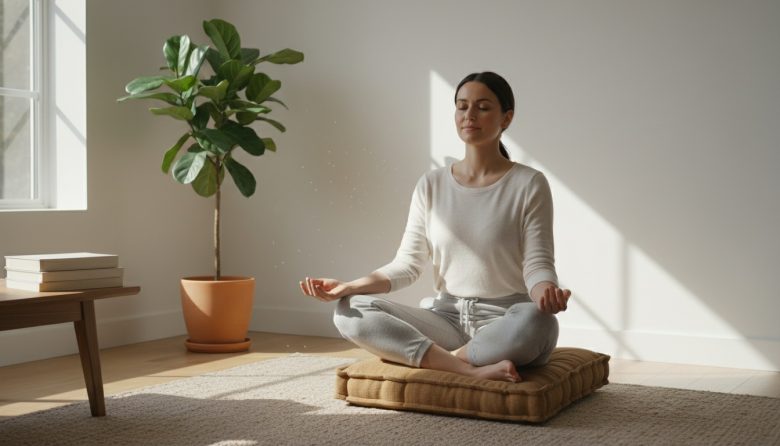
Last Tuesday evening, as the dishes piled up and my mind raced through tomorrow's to-do list, I paused by the window. The soft light fading outside caught me, and for the first time that day, I really listened to my breath—shallow, hurried, like it was chasing after something. That small moment reminded me how breath is always there, quiet and ready, waiting for us to notice.
If you're feeling that familiar tug of busyness or restlessness, easing into mindful breathing can bring a steady calm. It's not about perfection or long sessions. Just gentle inhales that ground you right where you are.
The Quiet Shift When I Started Noticing My Breath
I remember the first time breath awareness really landed for me. It was during a hectic week, juggling work calls and family dinners, when everything felt scattered. One afternoon, sitting in my car after dropping off the kids, I closed my eyes and just felt the air moving in and out—no rules, no timer.
That shift was quiet but real. My shoulders softened, and the knot in my chest eased a little. It wasn't magic, but noticing my breath cut through the daily chaos like a soft anchor.
Over time, I saw how this simple act pulled me back to the present. Thoughts still wandered, but they didn't pull me under as much. For busy days, it's become my go-to reset.
That car moment taught me breath isn't something to force. It's already happening, steady and patient. Tuning in just makes room for calm amid the rush.
Starting Simple: Tuning Into Your Natural Breath Rhythm
Breath works as an anchor because it's always with you—no apps or gear needed. Begin by noticing its natural rhythm wherever you are. Place a hand on your belly or chest to feel the rise and fall.
Try this during your morning coffee pause. Sit with the mug warm in your hands, eyes soft or closed. Inhale slowly through your nose, feeling your belly expand, then exhale fully. Do three rounds, no more.
I found this eased the jumpy start to my days. It steadied my thoughts before emails took over. You might notice your rhythm shifting from short and high in the chest to deeper and slower.
Keep it light—no need to change anything at first. Just observe. This builds a habit of presence without pressure.
Breathing Practices Side by Side: Pick What Feels Right
Once comfortable with natural breath, exploring simple techniques adds variety. They each offer a gentle way to deepen calm, suited to different moments. Here's a quick look at beginner options, laid out clearly so you can see what might fit your day.
I started with these during restless afternoons or before bed. Pick one that draws you—no rush to master them all. Let the table guide you to what feels steady.
| Technique | Quick Steps | Best For | Time Needed |
|---|---|---|---|
| Diaphragmatic Breathing | Hand on belly. Inhale nose 4 counts (belly rises). Exhale mouth 4 counts (belly falls). Repeat 5-10 times. | Releasing tension in chest or belly | 2-5 minutes |
| Box Breathing | Inhale 4, hold 4, exhale 4, hold 4. Visualize a square. Repeat 4-6 cycles. | Calming racing thoughts before tasks | 3-5 minutes |
| 4-7-8 Breathing | Inhale nose 4. Hold 7. Exhale mouth 8 (whoosh sound). Repeat 4 times. | Easing into sleep or stress release | 2-4 minutes |
| Alternate Nostril Breathing | Close right nostril, inhale left. Close left, exhale right. Inhale right, switch. 5 rounds each side. | Balancing restless energy | 4-6 minutes |
| Resonant Breathing | Inhale 5 counts, exhale 5 counts. Keep smooth and even. Aim for 6 breaths per minute. | Steady calm during transitions | 3-7 minutes |
These kept things fresh for me without overwhelming my routine. Diaphragmatic felt natural on walks, while 4-7-8 settled evening jitters. Glance here when choosing—trust what calls to you.
What Helped Me (and Might Help You) Stay Consistent
Consistency came in small ways, not grand plans. I linked breath pauses to daily cues, like after brushing teeth or before meals. What helped me was keeping it to one or two minutes—no big commitments.
Pairing it with a Daily Morning Plan for Balanced Wellness made mornings feel grounded. A quick diaphragmatic breath after stretching set a calm tone. It wove in without extra effort.
Another tip: note how you feel before and after in a bedside journal. I jotted "restless to steady" most days. This gentle tracking built quiet encouragement.
If mind wanders, that's fine—just return softly. What might help you is forgiving slip-ups. Breath waits patiently, every time.
Using items from a Relaxation Tips Using Everyday Items guide, like a soft scarf over eyes, added comfort. It turned practice into a cozy ritual.
Gentle Experiment: One Breath Pause for a Week
For the next 5-7 days, try a simple breath check three times daily—morning, midday, evening. Pause wherever you are, hand on heart or belly, and take five slow breaths. Notice the air's temperature, your body's ease.
Track lightly: after each, whisper or note one word for your feeling—calm, tired, steady. I did this last month and saw patterns, like midday pauses easing afternoon drag. No judgment, just curiosity.
By day three, it felt more natural, like checking the weather. Evenings brought deeper release. This small experiment shows breath's quiet power without pressure.
Adjust times to fit—waiting for tea or traffic lights work too. What shifts might you notice?
Letting Breath Settle Into Evenings and Mornings
Breath fits naturally into bookends of the day. Mornings, I pair it with gentle stretches from a Gentle 7-Day Stretching Routine for Flexibility. A few box breaths while reaching ease me awake softly.
Evenings became wind-downs with 4-7-8 by the bed. Lights dim, phone aside, it melted the day's residue. One weekend reset, I walked the block breathing in rhythm with steps—restless legs turned steady.
These moments aren't rigid. A hurried morning? One breath at the sink suffices. What breath moment will you notice today? Try one right now, feeling the gentle rise and fall.
Questions I’ve Wondered (and Answers That Settled Me)
Can I do mindful breathing if I’m always on the go?
Absolutely, it thrives in snippets. Try 30-second checks in line at the store or waiting for the kettle to boil. I do them standing at crosswalks—hand on belly, two full breaths. It steadies without stopping your flow.
What if my mind wanders during practice?
That's completely normal and part of it. Gently guide your attention back, like calling a wandering puppy home—no scolding. Over time, the pauses between thoughts lengthen naturally. I smile at it now, knowing it's just the mind doing its thing.
Is there a best time of day to start?
Start whenever feels right for you—mornings build calm foundations, evenings help release the day. I favor evenings when tiredness peaks, but a midday breath resets slumps beautifully. Experiment to find your steady spot.
How do I know if it’s helping?
Watch for small, personal shifts: less edge in your voice, more pauses before reacting, a subtle steadiness amid bustle. I noticed sleeping deeper after a week. Trust your own quiet signals over big changes.
Do I need to sit perfectly still?
Not at all—any comfortable position works, even standing or walking slowly. I breathe mindfully pushing the grocery cart or during commutes. The key is comfort, letting breath move freely wherever life has you.