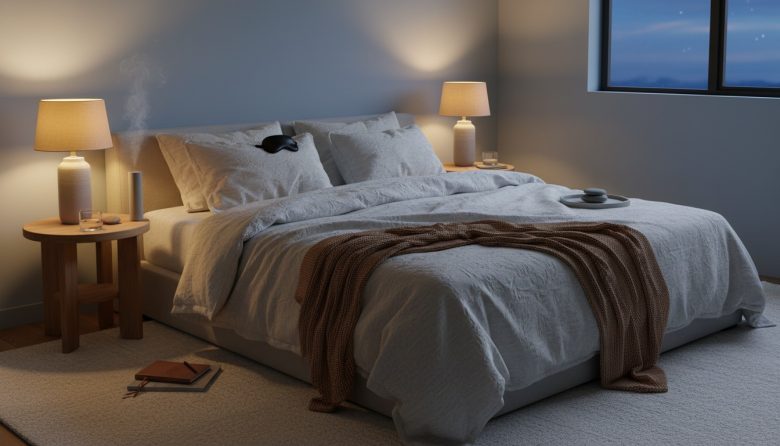
Last summer, I remember dragging through mornings with that foggy haze, where coffee barely touched the edges of my tiredness. It wasn't until a quiet weekend away, listening to the crickets fade into night, that I realized my evenings were the key—rushed and lit up like daytime. This gentle shift toward natural rest started changing everything, one small habit at a time.
Those foggy starts made simple tasks feel heavy, like unpacking groceries became a chore. I started paying attention to the little signs my body whispered. Evenings held the real turning point.
The Quiet Signals My Body Was Sending
I noticed the restlessness first in the way my thoughts raced long after dinner. Busy days as a mom and freelancer left me wired, scrolling on my phone until midnight. That constant hum kept deeper rest just out of reach.
One evening, after a late call, my shoulders stayed tight, and sleep felt shallow. I woke up still tired, relying on alarms to pull me through. It hit me that my body craved a softer wind-down, not more pushing.
Natural approaches felt right because they matched my real life—no strict rules, just listening closer. I began tuning into those quiet signals, like heavy eyelids or a deep sigh. This awareness opened the door to steadier nights.
Looking back, ignoring them only built more fatigue. A friend shared how she felt the same amid her packed schedule. We both found relief in easing into rest naturally.
These 5 Steps That Eased My Evenings into Rest
- Honor Your Natural Tiredness Cues
Tune into when your eyes grow heavy or yawns creep in, letting those guide your wind-down instead of the clock. I used to fight them, pushing for "one more thing" until exhaustion hit hard. Shifting let my body lead gently.
One week, I noted my natural dip around 9:30 pm and headed to bed by 10. Mornings felt less jolting. For consistency, wake at the same time daily, even linking it to a daily morning plan for balanced wellness that anchors your day softly.
Try jotting cues in a note: "eyes drooping at 9:45." No forcing—let it build a rhythm over days.
- Dim the Lights for a Softer Evening Glow
Swap bright overheads for warm lamps or candles about two hours before bed to signal your body it's evening. Harsh light keeps us alert like midday. I started this after reading how it mimics sunset.
My ritual: light a side lamp post-dinner, phone screen warmer too. Restless evenings softened into calm. Gradually dim more areas, like the kitchen after dishes.
It pairs well with building how to improve sleep with evening rituals, creating a cozy fade-out without flipping switches off abruptly.
- Sip into Calm with a Warm Ritual Drink
Choose a soothing non-caffeinated sip like chamomile tea or warm milk with turmeric around 8 pm. It warms from inside, easing tension. I skipped coffee after 2 pm to avoid the late buzz.
In my kitchen one quiet night, stirring golden milk felt like a hug. Thoughts slowed, body settled. Prep it simple: mug, herb bag, hot water—sipped slowly on the couch.
Avoid sneaky caffeine in chocolates or sodas. This step became my anchor when evenings felt scattered.
- Release the Day with Gentle Journal Prompts
Grab a notebook for three lines: one gratitude, one release, one tomorrow whisper. It clears mental clutter without deep dives. My mind used to replay worries in bed.
After a hectic day, scribbling "letting go of that email" lightened my chest. No perfect sentences—just honest words. Keep it bedside, five minutes max.
This flows into quieter moments, helping the next breath feel steadier. Busy nights? Voice notes work too.
- Breathe into Stillness with a Simple Pattern
Practice 4 counts in through nose, hold 4, out 6 through mouth—repeat five times at bedside. It slows the nervous hum to calm waves. I added this when journaling left lingering restlessness.
Lying there, breaths deepened, pulling me into sleep naturally. Explore more in how to practice quick breathing for relaxation for daytime tweaks too. Hands on belly helps feel the rhythm.
Start seated if lying feels off. Nights grew steadier, mornings clearer.
What Held Steady for Me, and What Might Help You
The dim lights and breath step stuck longest, turning rushed evenings into something softer. Mornings brought calmer energy—no more haze. For busy women juggling lists, these eased without adding pressure.
I noticed steadier moods midweek, less snapping at small things. You might feel eyelids heavier sooner or wake less restless. Track simple shifts like "felt calm post-sip."
Not every night perfect, but consistency built quiet wins. A coworker tried the journal; her weekends reset better. Notice what resonates in your flow.
If mornings drag, pair evening cues with gentle starts. These steps wove into my days naturally over time.
A Gentle Experiment: One Small Anchor for 5 Nights
Pick the dim lights step—swap one bright spot for warm glow each evening for five nights. Jot a quick note: "more steady eyelids?" or "still restless?" No judgment, just curiosity.
It builds awareness without overwhelm. What one cue feels right for your evenings? Light one candle tonight and notice the shift.
Frequently Asked Questions
Can I still have a glass of wine with these steps?
Wine relaxes at first but often fragments deeper rest later. I swapped for herbal tea one week and slept sounder. Experiment gently—maybe alternate nights to feel the difference.
What if my schedule changes a lot?
Anchor to body cues over strict times, like dimming when tired hits. During travel, I packed warm socks and a small journal. Flexibility keeps it sustainable for real life.
How long until I notice calmer nights?
Shifts often appear in 5-7 days of gentle tries, like fewer wake-ups. Patience helps—no rush. I saw steadier mornings after a week.
Do I need special products?
Household basics shine: kitchen mug, bedside lamp, paper scraps. My swaps used what I had—no shopping sprees. Start simple for lasting ease.
What about naps during the day?
Short 20-minute ones help if truly tired, but prioritize evenings first. I napped once weekly, keeping nights intact. Balance feels right over rules.